
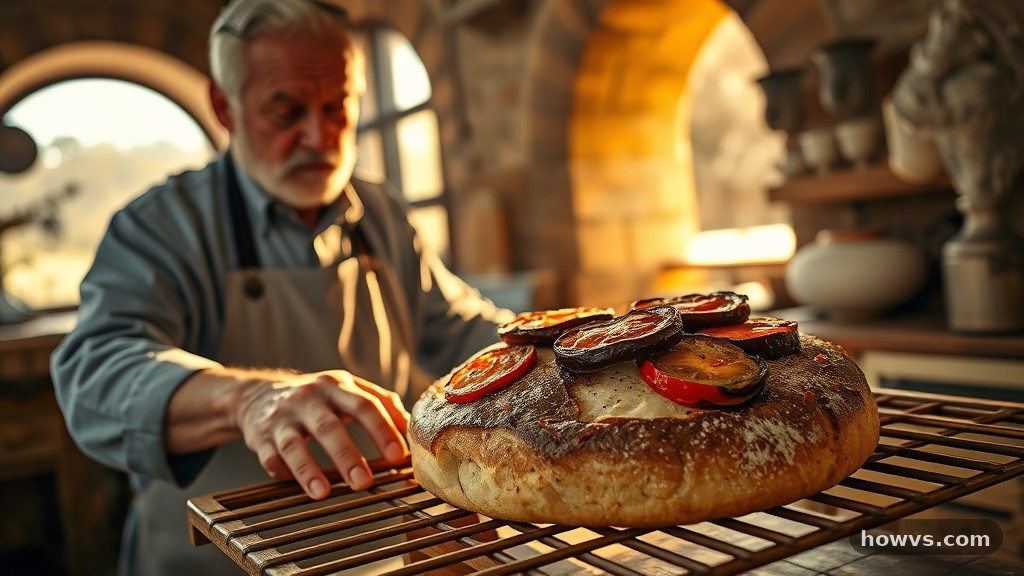
Searching for the best Coca de Recapte near me often leads enthusiasts of Mediterranean cuisine on a flavorful journey through the heart of Catalan gastronomy. This savory flatbread, a staple in the northeastern regions of Spain, represents a centuries-old tradition that balances simplicity with high-quality ingredients.
Whether you are hunting for a bakery that honors the authentic recipe or attempting to recreate the experience in your own kitchen, understanding the nuances of this dish is essential. Unlike standard flatbreads, the true character of a coca lies in its texture—a thin, crisp crust that serves as a sturdy foundation for roasted vegetables, cured meats, and regional seasonings.
Understanding the Cultural Significance of Coca de Recapte
The term “recapte” refers to the act of gathering or collecting ingredients, historically implying that the coca was a way to use whatever was available in the pantry or the garden. In its most traditional form, this dish is a testament to the resourcefulness of rural Catalan families. Because it is a versatile canvas, the topping combinations are nearly endless, though the most iconic versions feature a bed of roasted red peppers and eggplant, often accented with longaniza sausage or sardines.
Beyond the ingredients, the cultural weight of the coca is tied to festivals and communal gatherings. It is frequently associated with celebrations like the night of Sant Joan, where food is shared under the stars.
The best coca is one that respects these historical roots, utilizing high-quality olive oil and a slow-fermented dough to achieve that signature crunch. When you look for the best version of this dish, you are looking for a bakery or kitchen that prioritizes the “pica-pica” culture—the practice of sharing small, flavorful bites in an informal setting.
Identifying the Key Components of an Authentic Dough
The foundation of any exceptional coca is the dough. If you are searching for the best coca near you, pay close attention to the texture of the bread itself.
A traditional Catalan dough should be thin, airy, and possess a slight chewiness that contrasts with the caramelized edges of the vegetables. It is not a thick, bready pizza crust; rather, it is closer to a Mediterranean flatbread that has been enriched with olive oil.
The secret to a superior base often lies in the hydration levels and the quality of the flour used. Many artisan bakers incorporate a small amount of lard or high-quality fat into the dough, which contributes to the flakiness and provides a depth of flavor that vegetable oils simply cannot replicate.
When you visit a local establishment, observe the bottom of the slice; it should be golden brown and firm enough to hold the weight of the toppings without drooping. If the dough feels heavy or overly yeasty, it likely lacks the delicate balance required for a truly authentic experience.
The Art of Roasting Vegetables for Toppings
The “recapte” aspect of the dish dictates that the vegetables must be the star of the show. The classic combination of escalivada—roasted red peppers and eggplant—is the gold standard for a reason.
To achieve the best flavor, these vegetables should be roasted over an open flame or in a high-temperature oven until the skins are charred and the flesh inside is meltingly tender. This process concentrates the natural sugars of the vegetables, creating a savory-sweet profile that defines the dish.
When evaluating a bakery’s offering, look for the color and texture of the vegetables. The red peppers should be vibrant and soft, having been peeled carefully to remove the charred skin. The eggplant should provide a creamy, almost buttery consistency that binds the toppings together.
Some modern variations might include onions or tomatoes, but the key is that these additions should be cooked down until they are jammy and concentrated. If you find a place that uses canned or under-roasted vegetables, you are missing out on the essential smoky profile that makes this dish a Mediterranean treasure.
Regional Variations and Seasonal Specialties

While the standard vegetable-heavy coca is popular year-round, there are seasonal variations that add interest to the menu. For instance, the coca de llardons is a distinct cousin often found around the time of the Sant Joan festivities.
While the classic recapte is savory and vegetable-forward, the llardons version incorporates bits of pork crackling, providing a salty, crunchy contrast that is incredibly satisfying. These variations highlight how flexible the dough can be, shifting from a lunch staple to a celebratory treat.
Another variation you might encounter is the coca de recapte topped with sardines or salted anchovies. This adds a punch of umami that elevates the roasted vegetables to a new level. If you are searching for the best local options, ask the staff if they change their toppings based on the season.
A place that sources fresh, local produce will always produce a superior product compared to one that keeps the same menu year-round. Understanding these regional shifts allows you to appreciate the depth of the craft, moving beyond the basic “pizza-like” perception to see the dish as a evolving culinary art form.
How to Evaluate Quality When Buying Local
When you finally locate a spot that claims to offer the best coca, there are specific indicators to look for to ensure you are getting an authentic product. First, check the oil content.
A good coca should have a visible sheen from high-quality extra virgin olive oil, which should be drizzled over the top before or after baking. This oil is not just a garnish; it is a vital component that keeps the vegetables moist and adds a fruity, peppery note to the finished dish.
Second, consider the ratio of toppings to dough. A common mistake in mass-produced versions is to overload the bread, which prevents the dough from crisping up properly. The best versions have a balanced spread where every bite contains a bit of crust and a bit of topping.
Finally, trust your sense of smell. A fresh coca should smell like toasted grain, caramelized onions, and the distinct, earthy aroma of fire-roasted peppers. If the aroma is faint or smells predominantly of commercial yeast, it is likely a sign of a shortcut-heavy production process.
Bringing the Experience Home: Making Your Own Coca
If you find that the options near you are lacking, making your own at home is a rewarding way to master the craft. The process of making a traditional coca is surprisingly therapeutic.
You start by mixing flour, water, salt, and olive oil, kneading it until smooth, and letting it rest to develop flavor. While the dough rests, you focus on the “recapte”—roasting your vegetables until they reach that perfect state of charred perfection.
The assembly is where the creativity comes in. Roll the dough out thinly on a baking sheet, brush it generously with oil, and arrange your roasted vegetables in an artistic, rustic pattern. Because you are the chef, you can control the saltiness and the level of char.
Baking it in a very hot oven is the final step to ensuring that the bottom gets the necessary snap. Even if your first attempt isn’t perfect, the process of handling the dough and managing the heat will give you a much deeper appreciation for the professional versions you buy in the future.
The Future of the Traditional Coca
The popularity of this dish continues to grow as more people discover the joy of authentic Mediterranean flatbreads. We are seeing a resurgence in interest, with artisan bakeries experimenting with ancient grains and unique, local vegetable pairings.
This evolution ensures that the tradition remains alive and relevant, rather than becoming a static museum piece. Whether it is served at a casual dinner party or enjoyed as a quick snack on a busy night, the coca remains a symbol of simple, honest cooking.
As you continue your search for the best versions, keep an open mind. You might find that the best coca near you is not in a fancy restaurant, but in a small, unassuming bakery tucked away in a quiet neighborhood. These hidden gems often rely on family recipes passed down through generations, ensuring that the integrity of the dish is maintained.
By supporting these local artisans and understanding the history behind every slice, you are doing more than just eating; you are participating in a culinary tradition that has brought people together for centuries. Whether you are a fan of the classic vegetable-heavy style or an adventurer looking for new topping combinations, the world of coca is waiting to be explored.