
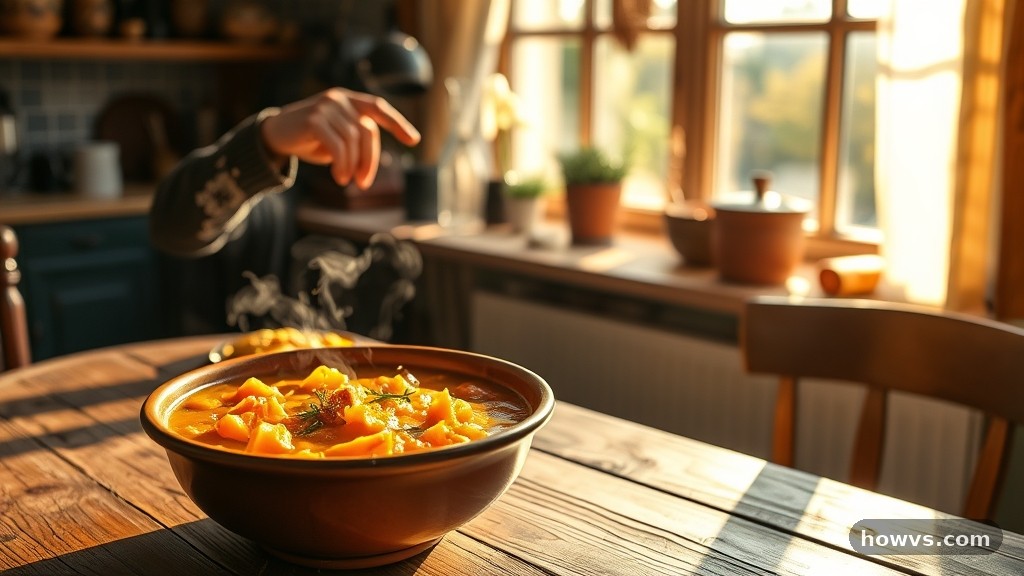
Searching for the best locro de zapallo near you involves understanding that this iconic Andean comfort food is more than just a simple vegetable mixture; it is a cultural staple with deep roots in Peruvian history. Whether you are navigating local Peruvian restaurants or attempting to recreate this dish in your own kitchen, recognizing the authentic characteristics of a high-quality locro is essential. This hearty stew, centered around the native squash known as zapallo, represents the marriage of indigenous Andean ingredients with the culinary techniques that define modern Peruvian home cooking.
Understanding the Essence of Traditional Locro de Zapallo
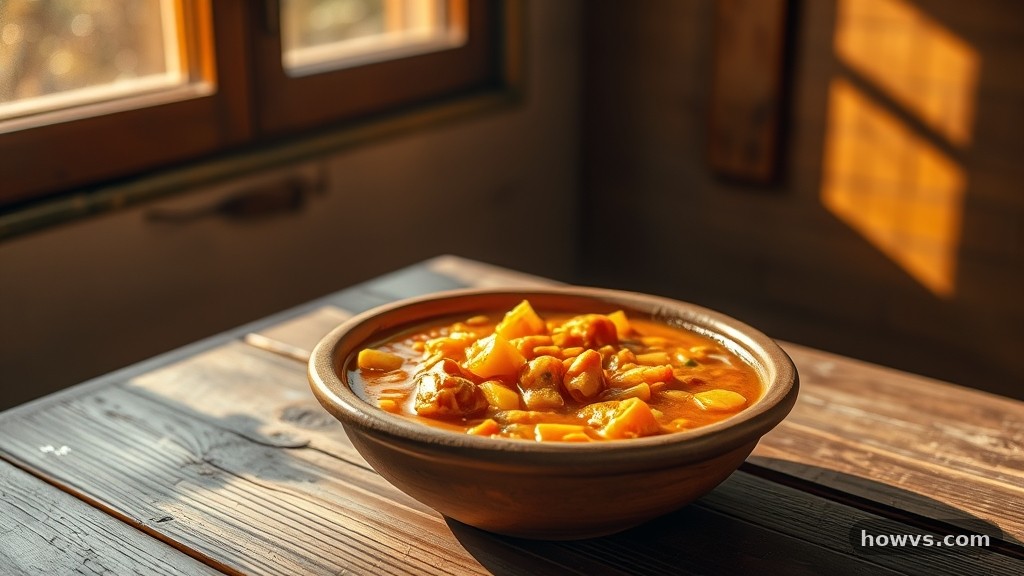
At its core, the traditional locro de zapallo is a thick, velvety stew that celebrates the versatility of the Andean squash. When you are looking for the best version of this dish, you are essentially hunting for a balance between the natural sweetness of the pumpkin or squash and the savory, slightly spicy kick provided by the ají amarillo paste.
In Peru, the dish is revered for its ability to transform humble ingredients into a deeply satisfying meal. A true locro does not rely on meat to provide depth; rather, it uses the starch of potatoes and the creaminess of fresh corn and cheese to create a luxurious texture that coats the palate.
The texture is the primary indicator of quality. If you find a restaurant serving a watery or thin version, it lacks the soul of a proper locro. The squash should be cooked down until it begins to disintegrate into the broth, thickening the base naturally.
When searching for this dish locally, look for menus that emphasize “casero” or “home-style” preparation. These terms often signal that the kitchen respects the time-intensive process of slowly simmering the vegetables until they reach a perfect, uniform consistency. The inclusion of fresh, high-quality queso fresco is another hallmark; it should be added at the final stage so that it softens but does not completely disappear into the liquid, providing little bursts of salty contrast to the earthy squash.
The Vital Role of Ají Amarillo and Native Ingredients
The secret to a vibrant, authentic locro lies in the use of ají amarillo. This yellow chili pepper is the backbone of many Peruvian dishes, but in a squash stew, it provides more than just heat; it offers a distinct fruity, sun-kissed flavor profile that is impossible to replicate with other peppers. When evaluating a potential place to eat, consider how the kitchen handles this ingredient.
The best chefs will sauté the ají amarillo paste with onions and garlic—a combination known as an aderezo—until the mixture is aromatic and deep orange. This foundational step is non-negotiable. If the stew lacks that brilliant golden-yellow hue, the flavor will likely be one-dimensional.
Beyond the chili, the type of squash used is critical. While many international markets offer generic winter squash, authentic locro relies on the specific texture of zapallo, which is often closer to a pumpkin or a kabocha squash in its density. Some recipes incorporate peas, which add a subtle sweetness and a pop of color that contrasts beautifully with the yellow base.
The inclusion of choclo—the large-kernel Peruvian corn—is another marker of authenticity. Unlike sweet corn found in the United States, choclo has a chewy, starchy texture that holds up well to the long cooking process. When you seek out the best locro de zapallo, you are looking for a place that prioritizes these specific, high-quality components rather than relying on frozen or canned substitutes.
Navigating Local Restaurants and Identifying Authentic Menus
When you perform a search for the best locro de zapallo near you, the results will likely point you toward established Peruvian eateries. To differentiate between a generic menu and one that serves a truly excellent version of this stew, look for restaurants that feature a “menú del día” or daily specials.
Because locro is a labor-intensive dish that requires slow cooking, it is frequently offered as a midday meal in Peru. Restaurants that prepare it fresh daily are much more likely to deliver the depth of flavor you are seeking compared to those that keep it on a permanent, static menu.
Pay attention to how the restaurant describes the dish. A simple, confident description—mentioning the use of Andean squash, potatoes, and fresh cheese—is usually a good sign. If the menu uses overly flowery language or lists a dozen unnecessary additions like heavy cream or excessive meat, they may be trying to mask a lack of technique.
Furthermore, don’t be afraid to call ahead and ask if the locro is made from scratch. A restaurant that takes pride in its preparation will be happy to discuss their process. The best spots are often family-owned establishments where the recipe has been passed down through generations, ensuring that the flavor profile remains consistent with traditional standards.
Substituting Ingredients Without Sacrificing Flavor

If you find that the best locro de zapallo near you is still miles away, you might decide to try your hand at cooking it. One of the most common questions for home cooks is how to manage ingredient substitutions. If you cannot find the exact zapallo used in Peru, the best alternatives are kabocha squash or butternut squash.
Kabocha is particularly excellent because of its dense, sweet, and slightly nutty flesh, which breaks down into the perfect creamy consistency when boiled. Avoid using spaghetti squash or watery summer squashes, as they will prevent the stew from thickening correctly.
For the ají amarillo, you can often find high-quality pastes in Latin American grocery stores. If you cannot locate the paste, you can sometimes use fresh ají amarillo peppers, though they are harder to source. Do not be tempted to use generic red chili powder or cayenne; they will change the flavor profile entirely and ruin the dish’s signature Peruvian character.
Regarding the cheese, standard supermarket queso fresco is a fine substitute, but look for one that is relatively firm so it doesn’t dissolve into a puddle the moment it hits the heat. By focusing on the texture and the balance of the aderezo, you can achieve a result that honors the traditional dish even when you are working with ingredients available in your local area.
The Nutritional and Cultural Significance of the Dish
Locro de zapallo is more than just a comfort food; it is a nutritional powerhouse that has sustained families in the Andes for centuries. The primary ingredient, squash, is packed with vitamins A and C, as well as fiber, making this a healthy option for those who want a hearty meal without the heaviness of red meat. The combination of squash, potatoes, and corn provides a complex carbohydrate base that offers sustained energy, while the cheese adds protein and calcium.
Understanding the history of the dish helps you appreciate why it remains a staple in Peruvian households. It was born out of necessity, utilizing the abundant crops of the region to create a filling meal that could feed large families cheaply and effectively.
When you eat this stew, you are participating in a long-standing tradition of communal food. In Peru, locro is often served during cold months or as a standard lunch item to provide warmth and nourishment. When you find a restaurant that treats the dish with this level of reverence, you are experiencing a piece of the country’s social fabric.
The best chefs understand that the dish is not meant to be “fancy” or “gourmet” in the traditional sense; it is meant to be honest, wholesome, and satisfying. This cultural context is why the best locro is rarely found in high-end fusion restaurants but rather in the humble, bustling kitchens of local eateries where the priority is feeding the community.
Tips for Enhancing Your Dining Experience
Once you have located a place that serves a top-tier locro, knowing how to eat it properly can elevate the experience. Locro is traditionally served with a side of white rice. While this might seem like a heavy combination of starches, the rice is essential for soaking up the flavorful yellow sauce that remains at the bottom of the bowl.
If the restaurant offers a side of salsa criolla—a bright, acidic mixture of thinly sliced red onions, lime juice, and cilantro—definitely add it to your order. The sharp, refreshing acidity of the onions cuts through the richness of the squash and cheese, providing a perfect balance to the meal.
Some diners also enjoy adding a bit of heat with a side of rocoto sauce. However, be cautious: rocoto is significantly hotter than the ají amarillo used in the stew itself. Start with a tiny amount to ensure you don’t overwhelm the delicate flavors of the squash.
If you are ordering the dish as part of a larger meal, consider pairing it with a simple protein like grilled chicken or fried fish. The mildness of the locro allows it to act as a fantastic accompaniment to savory proteins, making it a versatile addition to any Peruvian spread. By adding these small touches, you can turn a simple lunch into a comprehensive culinary experience that mirrors the way the dish is enjoyed in Peru.
Common Mistakes to Avoid When Seeking or Cooking Locro
Whether you are scouting for the best locro de zapallo near you or preparing it at home, there are several pitfalls that can lead to a disappointing result. The most common error is rushing the cooking time. Squash needs time to release its natural sugars and thicken the liquid.
If the chef or the home cook pulls the pot off the stove too early, the squash will be firm and the liquid will be thin and watery. Patience is the secret ingredient here. Another frequent mistake is over-seasoning.
The goal of locro is to highlight the natural flavor of the vegetables, not to hide them behind heavy spices or excessive salt. If you find yourself needing to add a mountain of salt to make the dish taste like something, the base flavor profile is likely weak.
For those cooking at home, another common mistake is using too much water or broth. You want the vegetables to be just barely covered. Remember that as the squash cooks, it releases moisture; if you add too much liquid at the start, you will end up with soup rather than a thick, hearty stew.
If you are searching for the best version locally, avoid places that use excessive amounts of filler vegetables. A true locro is defined by the squash.
If you see more carrots or celery than squash, the restaurant is likely cutting corners to save on costs. Stick to places that emphasize the integrity of the main ingredient, and you will be much more likely to find a bowl that hits the mark.
The Evolution of Locro and Future Trends
As Peruvian cuisine continues to gain global recognition, the way we think about dishes like locro de zapallo is evolving. We are seeing more chefs experiment with the traditional formula, introducing elements like roasted squash for a deeper, caramelized flavor or using artisanal cheeses that bring a more complex, funky edge to the stew.
While purists might argue against changing a classic, these innovations are helping to keep the dish relevant in a modern culinary landscape. You might find “elevated” versions in upscale Peruvian restaurants that use heirloom squash varieties, which can offer a more intense, earthier flavor than the standard market varieties.
However, the enduring popularity of the traditional version proves that the original recipe is hard to beat. The search for the best locro de zapallo near you is ultimately a search for that perfect, comforting bowl of food that feels like it was made with care. Whether you find it in a hole-in-the-wall neighborhood spot or you master the recipe in your own kitchen, the satisfaction remains the same.
The dish serves as a reminder that the best food doesn’t always come from complex techniques or expensive ingredients, but from the thoughtful combination of regional produce and time-honored methods. As you explore the options available to you, keep an open mind and a hungry palate, and you will likely discover that the best version is the one that makes you feel most at home.
Final Thoughts on Finding Your Perfect Bowl
In your journey to find the best locro de zapallo, remember that your personal preference plays a significant role. Some people prefer their locro with a bit more texture from the squash, while others prefer it nearly puréed into a thick, creamy sauce. Some enjoy a heavier hand with the ají amarillo, while others prefer a milder, sweeter profile.
By understanding the key components of the dish—the squash, the aderezo, the corn, and the cheese—you become a more informed diner. You can communicate with servers about what you are looking for, or adjust your own cooking to suit your specific tastes.
The beauty of this Peruvian classic is its resilience and its ability to adapt while staying true to its roots. Whether you are a long-time fan of Andean food or a newcomer just starting to explore the vibrant world of Peruvian gastronomy, locro de zapallo is a dish that deserves a place in your rotation. It is a humble, beautiful, and deeply satisfying stew that tells the story of a land and its people.
As you continue your search, focus on the quality of the ingredients, the patience of the preparation, and the overall balance of the flavors. That is where you will find the best locro de zapallo near you, waiting to be enjoyed.